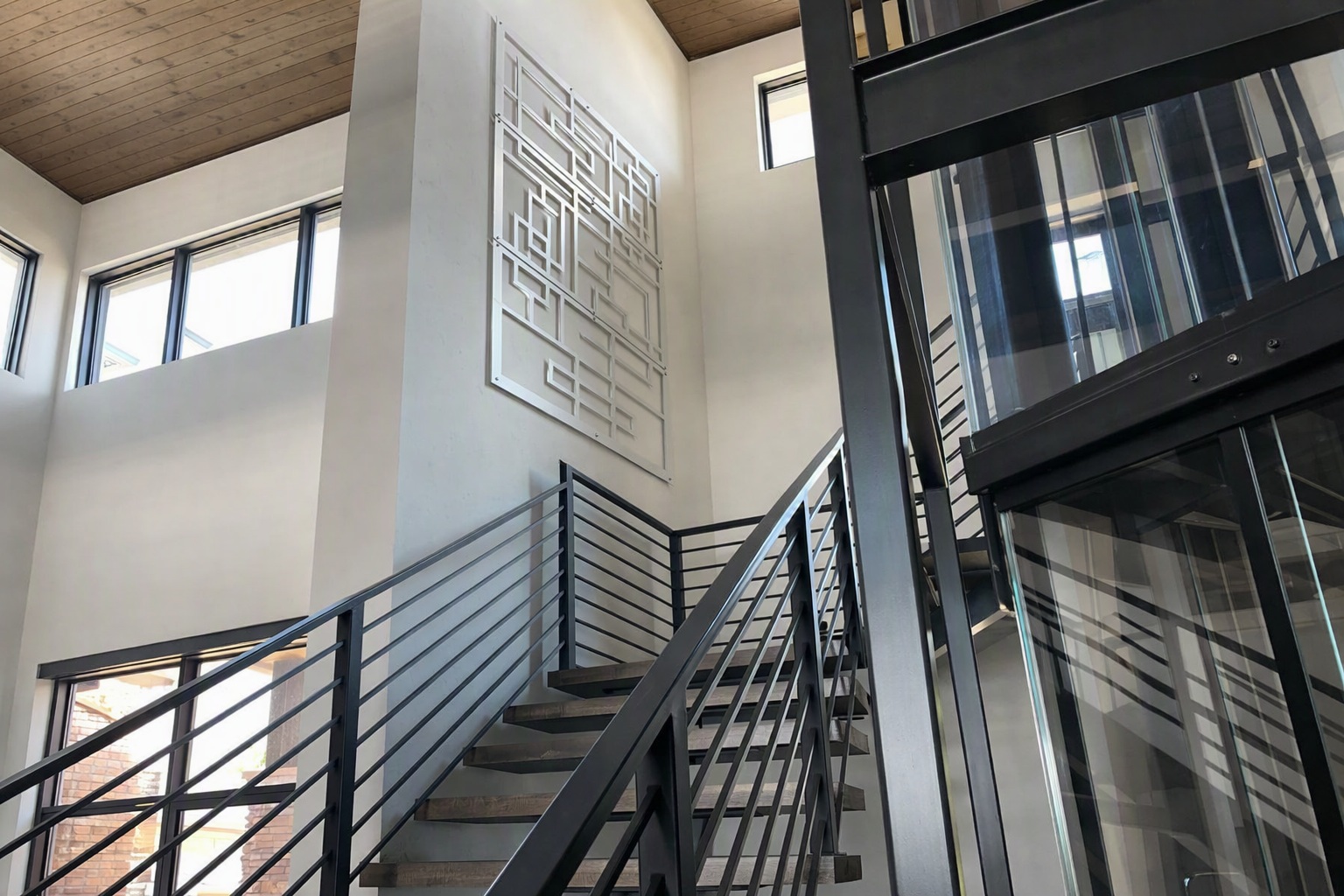
If you’ve been seeing metal wall art in home decor feeds and wondering what the appeal is, you’re not alone. It’s one of the fastest-growing categories in home decor — and for reasons that make a lot of sense once you understand what you’re actually looking at.
Here’s a complete breakdown: what it is, how it’s made, why it works, and how to find the right piece for your space.
What Is Metal Wall Art?
Metal wall art is decorative art made from sheet metal — typically aluminum — that’s cut, shaped, and finished into sculptures or wall panels designed to hang in a space.
Unlike canvas prints or framed photographs, metal wall art has physical dimension. It casts shadows, catches light, and interacts with the space around it in a way flat art simply can’t. Some pieces are single-layer cutouts. Others are multi-dimensional, with layers set at different depths to create a sculptural effect.
The result is decor that reads as art — not as an afterthought.
The precision CNC-cut edges and brushed aluminum finish on Edge of Light — detail that holds up at any viewing distance.
How It’s Made
Most quality metal wall art starts with a digital design file fed into a CNC machine. The machine cuts the design from a sheet of aluminum with precision — clean edges, fine detail, shapes that would be nearly impossible to produce consistently by hand.
At Cold Edge Gallery, this process happens entirely in-house. After cutting, each piece is inspected by hand before it ships. No mass production, no outsourcing, no middlemen between the design and the finished piece on your wall.
The material choice matters too. Aluminum is the right metal for wall art: durable, lightweight relative to its size, and naturally resistant to rust. A 36×48-inch piece is substantial enough to fill a wall without being a structural challenge to hang.
Types of Metal Wall Art
Metal wall art covers a wide range of styles. A few of the main categories:
- Abstract and geometric: Clean lines, angular forms, and compositions built around shape rather than subject. These work well in modern and contemporary interiors and are meant to be felt as much as read.
- Nature-inspired: Trees, mountains, waves, landscapes. Nature-themed metal wall art tends to work across a wider range of interior styles — it brings organic energy into a space without requiring a specific aesthetic to match it.
- Custom and personalized: Art built to a specific brief — a family name, a set of coordinates, a silhouette tied to a memory or place. Custom metal wall art is sized, styled, and detailed to your specifications. Nothing pulled from a shelf.
- Atmospheric and location-inspired: Pieces that evoke a specific place or landscape — the Pacific, the Serengeti, a mountain silhouette — without being a literal photograph. These carry a mood rather than a message.
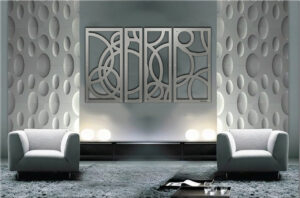
Kauai in a gallery setting — abstract form that works as well in a home as it does in a professional space.
Why Metal Wall Art Works in a Room
A few properties of metal make it perform differently from other art materials.
- Light interaction: Aluminum catches and holds light in a way that changes throughout the day. A piece that looks bright and crisp in morning light reads warmer and more textured by evening. That quality makes the art feel alive — something flat prints can’t replicate.
- Scale: Metal wall art is routinely produced at sizes that actually work for large walls — 48 inches, 60 inches, wider. Large-format metal pieces fill living room walls and dining room focal points in a way canvas prints rarely pull off convincingly.
- Longevity: Metal doesn’t yellow, fade, or warp the way paper and canvas do. A quality aluminum piece looks the same in ten years as it does the day it arrives.
- Finish options: Black, gold, silver, and bronze finishes give you options that work with different room palettes. Your painter or contractor can help you get the color exactly right if you’re matching against a specific scheme or set of existing fixtures.
How to Choose the Right Piece
A few things to think through before you commit:
Size first. Use the two-thirds rule — your art should span roughly two-thirds the width of whatever it’s hanging above. When in doubt, go bigger. Undersized art is one of the most common wall décor mistakes. Our guide to extra large wall art for the living room covers sizing and placement in detail.
Style second. Think about whether the room needs something calm and organic, or bold and geometric. The piece should complement the room’s energy, not compete with it. If you’re not sure which direction to go, our wall art trends guide breaks down what’s working right now.
Custom or pre-made? If you have a specific wall size, a specific idea, or something personal you want to capture — custom metal wall art is worth exploring. The process is simpler than most people expect: you share the idea, receive a rendering, and approve it before production starts.
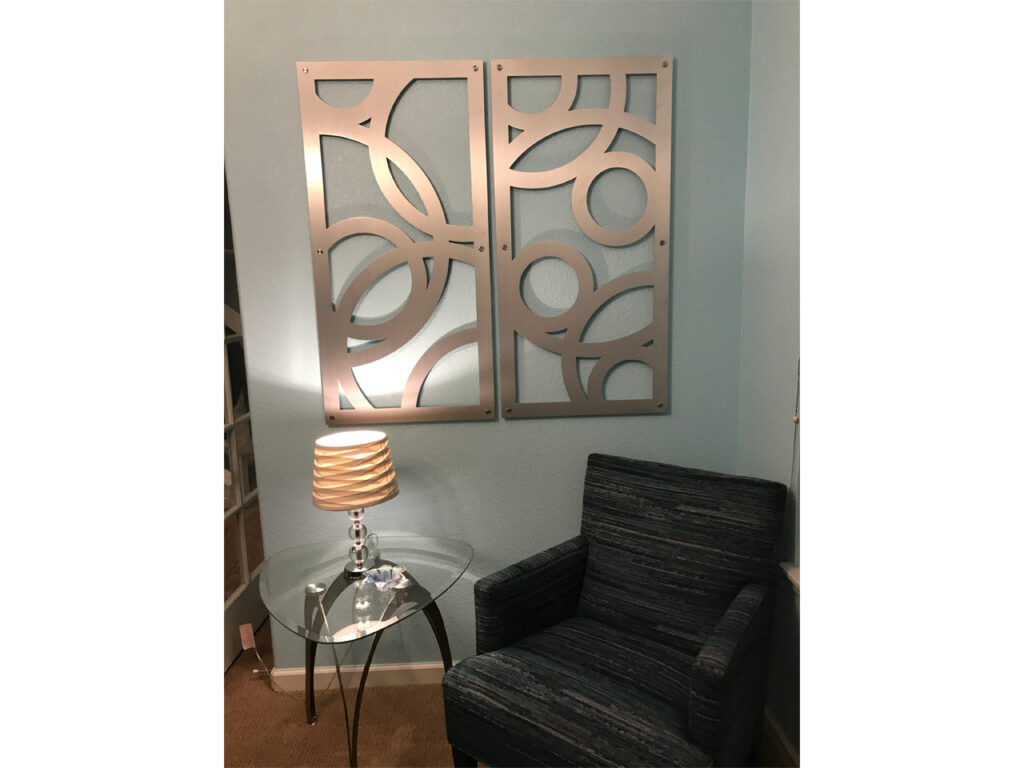
Montecarlo in a residential setting — available as a single panel or expanded across multiple panels to suit any wall.
Want to see what’s available or get started on a custom order? Visit custommetalwallart.com to browse or request a free quote.
The Short Answer
Metal wall art is durable, dimensional, and built to last. It works at large scale, adapts to most interior styles, and holds its quality in a way softer materials don’t.
If you’ve been looking for something that actually fills a wall — and not just covers it — it’s worth a closer look.